Materials
Filaments, resins, and material properties — what to print with, how it behaves, and what it costs.
-
Materials
German Startup Malping Wants to Sell FGF PEEK Printing as a Turnkey Service
Stuttgart-area startup Malping is betting that granule-fed PEEK, PEKK, PPS-GF20 and ULTEM 9085 printing — plus a system it will sell you outright — beats filament on cost and beats bureaus on control.
-
Materials
ORNL and INL 3D Print a Steel Pressure Vessel to Chase "Born-Qualified" Nuclear Parts
Oak Ridge and Idaho national labs used three-armed wire arc printing to build a nuclear-grade steel pressure vessel, aiming to pair real-time print data with AI to cut years off reactor-component qualification.
-
Materials
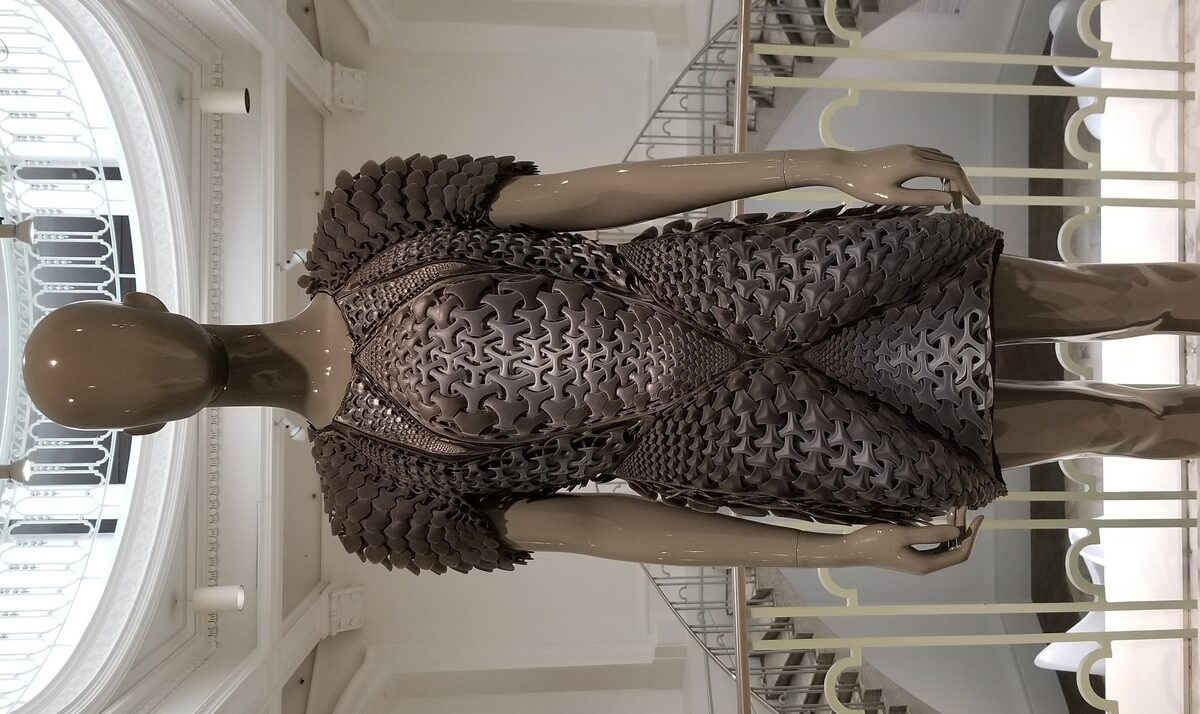
Jean Paul Gaultier Turns to 3D Printing for Duran Lantink's AW26 Couture Debut
Five looks in Duran Lantink's Jean Paul Gaultier couture debut used HP Multi Jet Fusion and SLS-printed PA12 and TPU parts from Sculpteo, hand-finished with latex, flocking, feathers, and dye.
-
Materials
SYZMIK's Carbon-Printed Lattice Headband Wins FIT Design Award for Flag Football Safety
SYZMIK's X7c+ headband, built around a 3D-printed EPU 45 lattice from Carbon's Digital Light Synthesis process, took the Sport Equipment Design/Innovation prize at the 2027 FIT Sport Design Awards and a Core77 runner-up nod.
-
Materials
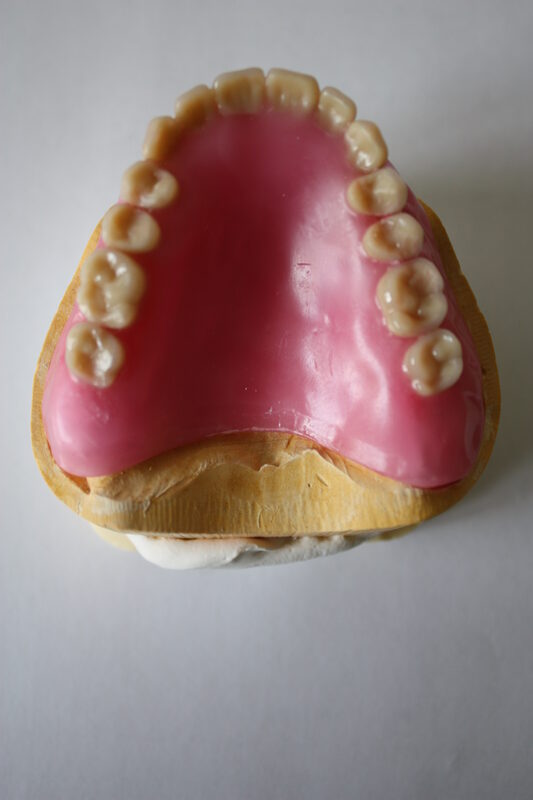
Carbon Launches DB 4000, a Tougher FDA-Cleared Denture Base Resin for Digital Dentures
Carbon's new DB 4000 denture base resin claims 31% higher toughness than the category leader, FDA Class II clearance, and ISO 20795-1 compliance for M-Series DLS printers.
-
Materials
YouTuber Torches a Dozen Filaments to Find Out Which Ones Actually Catch Fire
A blowtorch test of a dozen filaments found ABS, ASA, and foam TPU burn readily with sooty yellow flames, while regular TPU and PETG strongly resist ignition even under direct flame.
-
Materials
One Ink, Two Behaviors: Pusan National University and ORNL 3D Print a Liquid Crystal Elastomer That Can Stretch or Shrink on Command
A Nature Communications study out of Pusan National University and Oak Ridge National Laboratory shows a direct-ink-written liquid crystal elastomer whose print speed and temperature alone decide whether it elongates or contracts when heated.
-
Materials
FAU Wins $800K EPA Grant to 3D Print Seaweed-Based Phosphorus Traps Against Toxic Algal Blooms
FAU landed an $800,475 EPA grant to 3D print lanthanum-modified sargassum structures that trap phosphorus in Lake Okeechobee — retrievable, regenerable lattices guided by machine learning, replacing one-shot powdered clays that settle into sediment and leach.
-
Materials
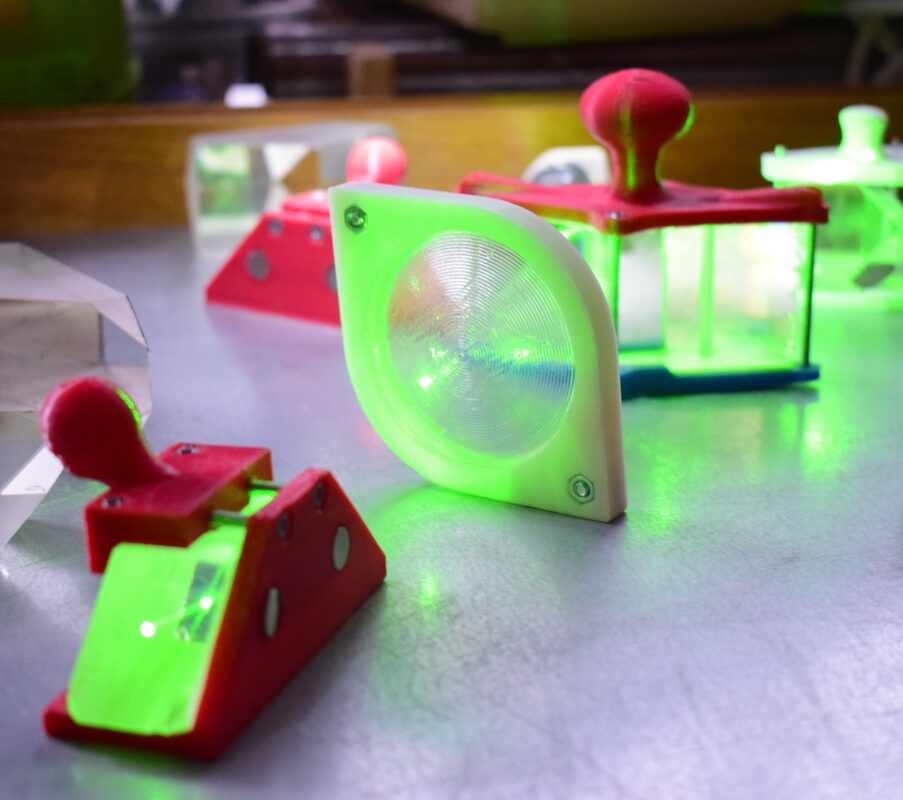
Researchers 3D Print Light-Switchable Optics That Modulate Laser Beams on Command
Polish and Italian researchers embedded a light-sensitive dye in vat-photopolymerized resin to build 3D printed optical components that dynamically bend, dim, and polarize laser light through 60,000 switching cycles.
-
Materials
Axtra3D Clears Keystone's KeySplint Hard Clear Dental Resin for the Lumia.X1
Axtra3D has validated Keystone's KeySplint Hard Clear trauma-splint resin on its Lumia.X1 hybrid SLA printer, the second Keyprint dental material cleared for the machine after KeyModel Ultra.
-
Materials
Polymaker's HT-PLA Pro Doubles Impact Strength Without Giving Up Heat Resistance
Polymaker's new HT-PLA Pro nearly doubles notched Charpy impact strength over standard HT-PLA and boosts Z-axis layer adhesion, while still hitting 107.6°C heat deflection after annealing — at the same $25.99/kg price.
-
Materials
Lyten's Graphene-Reinforced Nylon Becomes the Primary Filament for Modovolo's Deployable BFP Platform
Lyten's 3D Graphene-reinforced PA1205 nylon is now the primary material for Modovolo's containerized BFP printing platform, with the companies claiming big strength gains over carbon-fiber filament ahead of joint military demos.