Software
Slicers, firmware, and the open-source toolchain — release notes translated into settings you can actually use.
-
Software
Backflip AI's New Foundation Model Cuts CAD Reverse-Engineering Cost From $1,500 to $10 a Part
Backflip AI's second-generation CAD foundation model turns scans and mesh files into fully parametric, feature-tree CAD in 1-5 minutes, dropping reverse-engineering cost from about $1,500 to roughly $10 a part.
-
Software
MIT's ShiftLens Gives 3D Prints Switchable Surface Graphics — With Zero Electronics
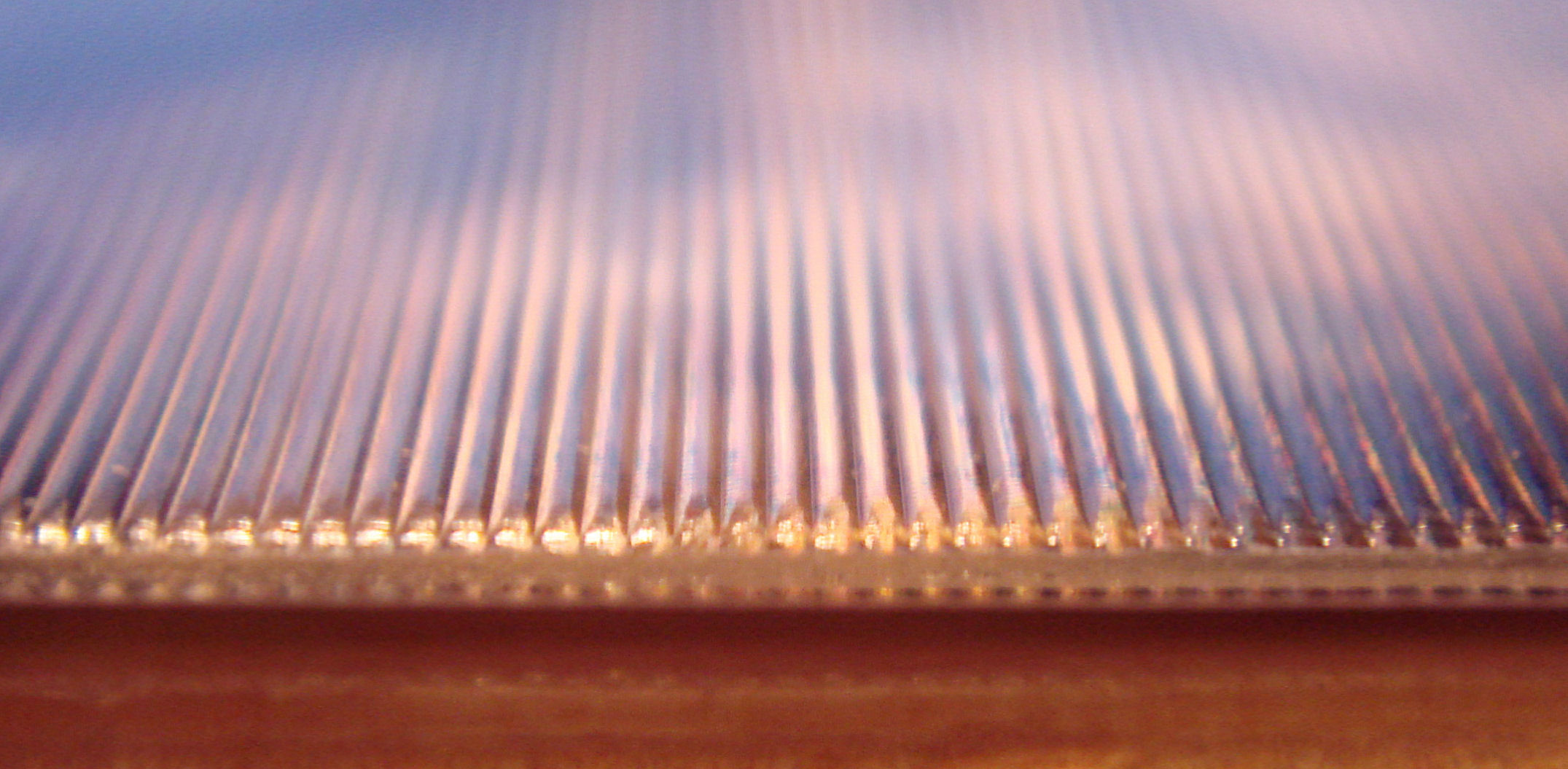
MIT CSAIL's ShiftLens prints lenticular lens arrays over interlaced image strips so a cap twist, slider, or knob mechanically swaps a print's surface graphics — no sensors or batteries — with software that plans the optics and actuation automatically; headed to ACM UIST 2026 in Detroit.
-
Software
ElegooSlicer v1.5.3.4 Folds In OrcaSlicer 2.4.2 as Elegoo Tunes Multicolor Print-Time Estimates for the Centauri Carbon 2
Elegoo's August 6 ElegooSlicer update merges most of OrcaSlicer 2.4.2's feature set while fixing Centauri Carbon 2 multicolor time estimates, a Neptune 3 Pro thumbnail bug, and Centauri Carbon bed temps.
-
Software
Plastometrex Will Let You Queue Hundreds of Unattended Mechanical Property Tests Starting Q4 2026
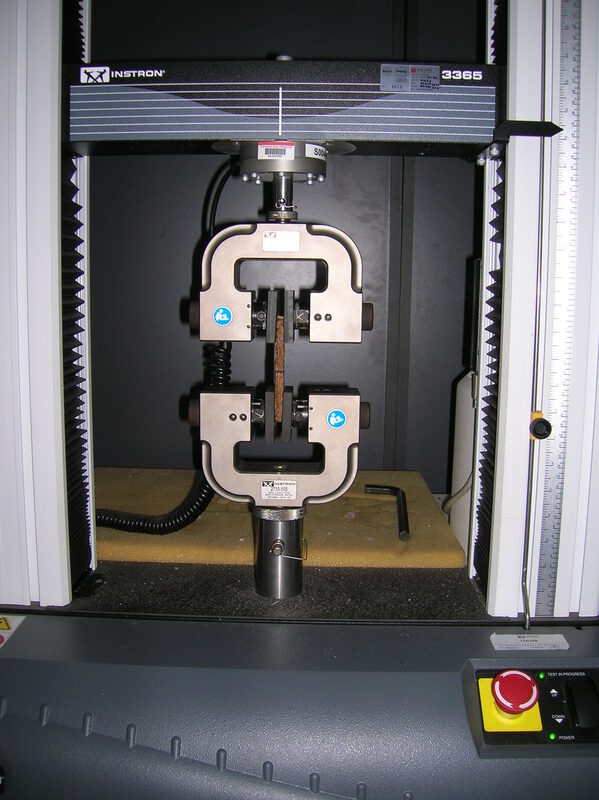
Plastometrex's new PLX-AutoStage module automates non-destructive PIP testing to within 2.6% of tensile-test accuracy, letting aerospace and defense customers qualify AM parts by the hundred without babysitting a test rig.
-
Software
Ex-Markforged Founders Launch Backflip AI's CAD Copilot, Turning 3D Scans Into Editable Models
Backflip AI, founded by former Markforged leaders Greg Mark and David Benhaim, has launched CAD Copilot, an AI tool that turns 3D scans into fully editable, parametric CAD models — and claims it cuts part-digitizing costs from $1,500 to about $10.
-
Software
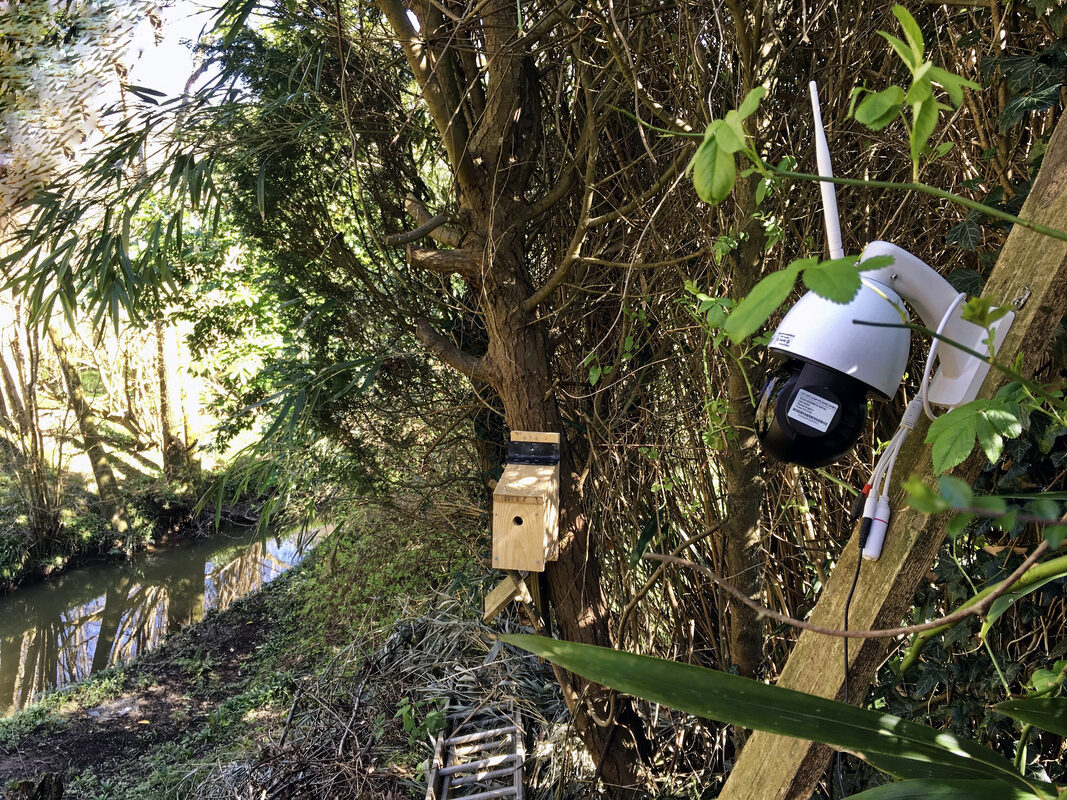
Hackers Repurpose Open-Source Thingino Camera Firmware for DIY Prusa 3D Printer Monitoring
A maker hunting for a cheap webcam turned to Thingino, open-source Linux firmware for budget Ingenic-chipset IP cameras, and scripted his own bridge into Prusa's remote monitoring API before official camera support ships.
-
Software
RWTH Aachen's DAP Institute Open-Sources a Geometry Library to Cut AM Software Memory and Processing Time
DAP-CG, a free C# geometry library from RWTH Aachen's DAP Institute, cut nesting memory use fivefold in production AM software and is now open to any CAM developer under the Boost license.
-
Software
3iD Printing Automates Post-Processing With AM-Flow's Feed-Vision-Sort Line in Belgium
Belgian service bureau 3iD Printing has installed AM-Flow's label-free machine-vision sorting line to eliminate the manual post-processing bottleneck as order volumes scale.
-
Software
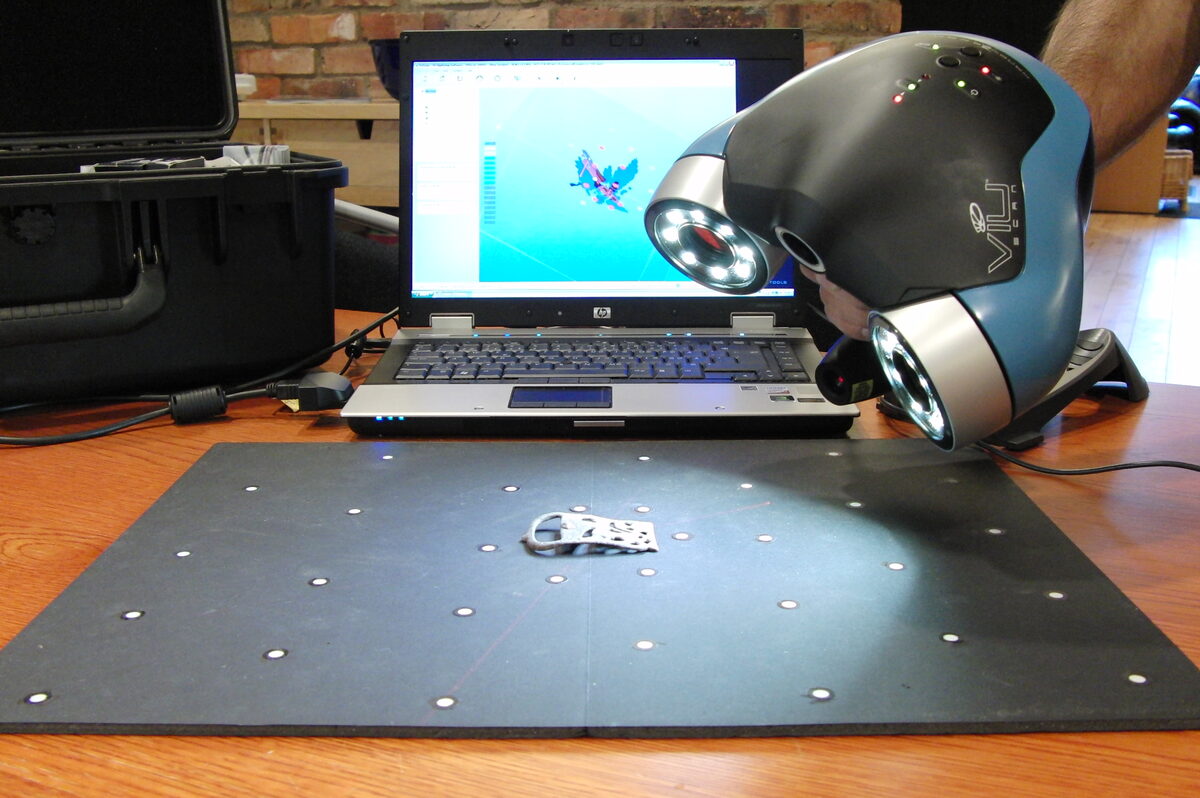
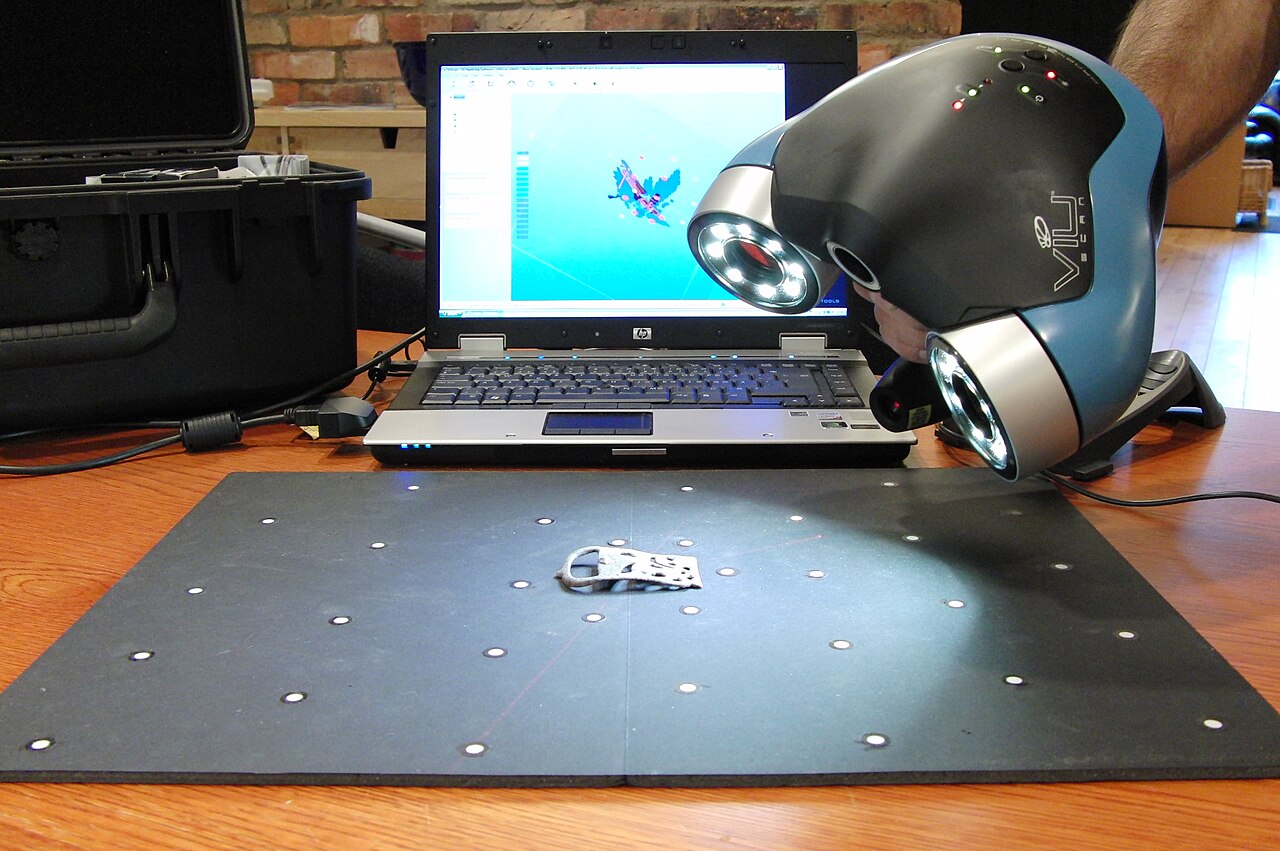
Scan-to-CAD in Hours: Hexagon Pairs the ATLASCAN Pro With Geomagic Design X for Aircraft MRO
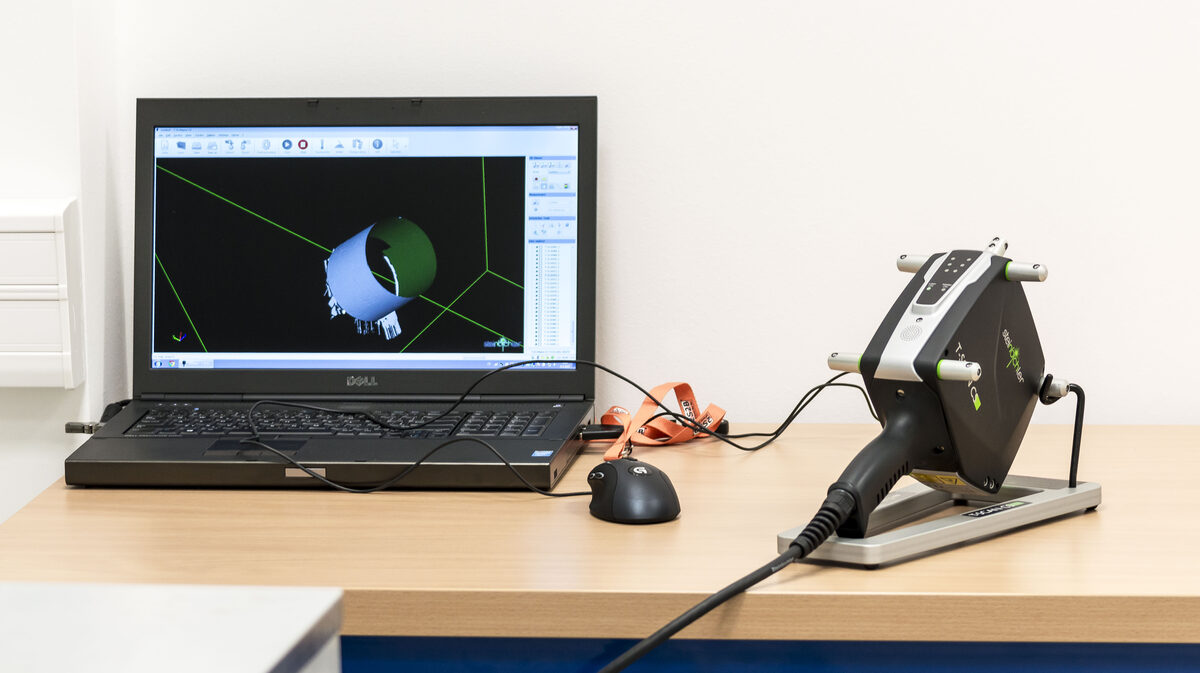
Hexagon linked its ATLASCAN Pro handheld scanner with Geomagic Design X, claiming CAD rebuilds of obsolete aircraft parts up to 8x faster — aimed squarely at aerospace MRO teams recreating cabin and structural components for 3D printing.
-
Software
OrcaSlicer Quietly Grew a Python Plugin System — And Says Outright It Isn't a Sandbox
OrcaSlicer's nightlies now carry a capability-based Python plugin architecture with an embedded `orca` module, a CPython audit hook and a new per-plugin storage API in draft PR #14923 — and the official docs call the security layer "groundwork, not a hardened sandbox."
-
Software
Someone Reverse-Engineered Prusa's INDX Into Real CAD — and It Says a Lot About the Open Community License
A GitHub repo has reconstructed parametric CAD for Prusa's INDX toolchanger from Prusa's own printable mesh and published it as CC BY-SA 4.0 — a share-alike claim that runs straight into the Open Community License, which says any distributed derivative stays under OCL.
-
Software
Every 3D Printer Has a 'Personality': New AI Profiles Machine-to-Machine Variation
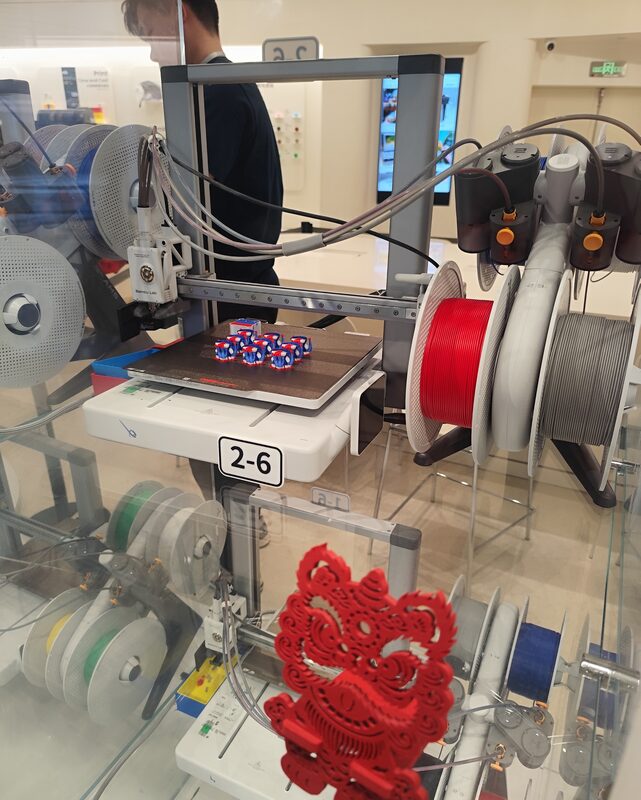
IMDEA Materials and Berkeley Lab built an algorithm that profiles the operational "personality" of nominally identical 3D printers, then decides whether to optimize them jointly or individually — cutting part-weight errors and speeding convergence across three theoretically identical machines.