
All articles
-
Guides
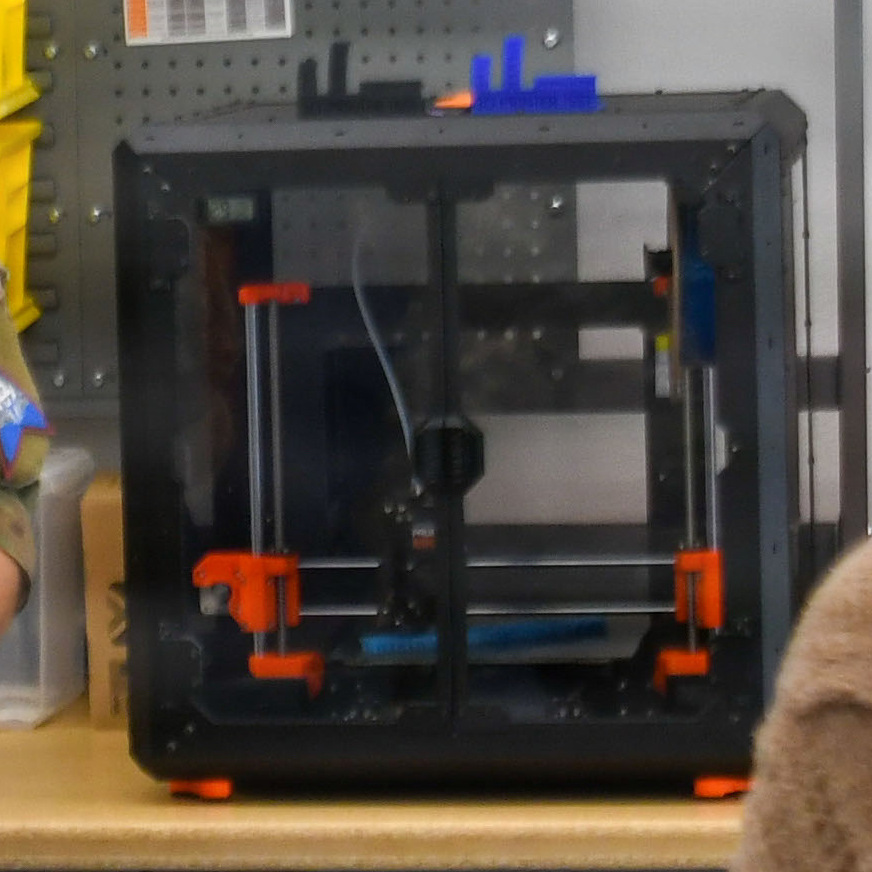
Has FDM 3D Printing Hit Its Ceiling?
A Hackaday analysis argues consumer FDM has stalled mechanically since 2020 even as color and tool-changing trickle down to budget machines — so is it time to look past the nozzle?
-
Printers
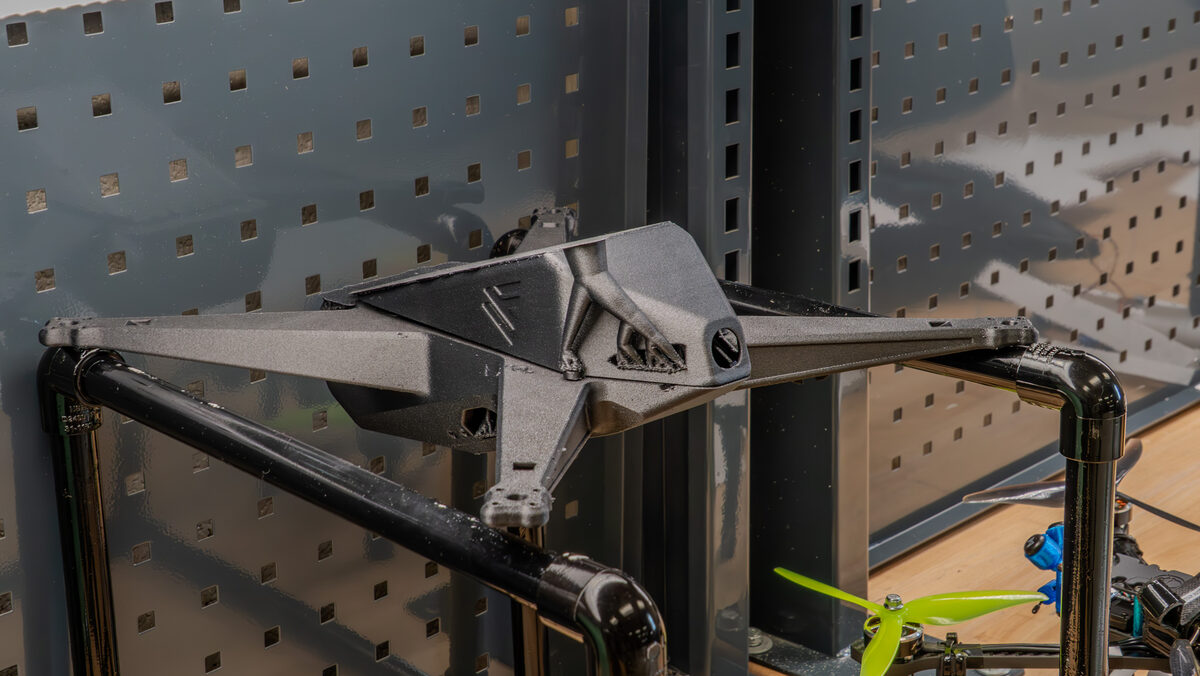
Japan Fast-Tracks a 3D-Printed Interceptor Drone to Mass Production in Three Months
Terra Drone's 3D-printed Terra B1 interceptor was the only system to pass Japan's ATLA demonstration test, and the agency is pushing it to mass production in roughly three months instead of the usual one to two years.
-
Business
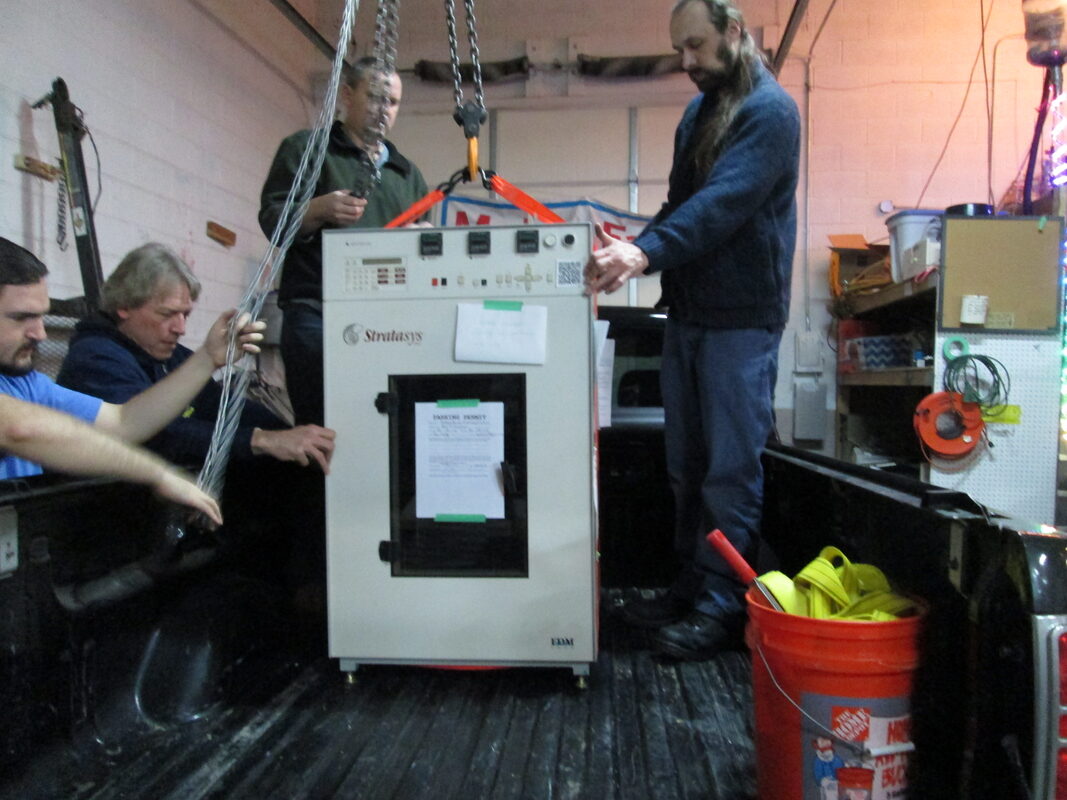
Quickparts Puts $6 Million Into a Fourth Country's Worth of Stratasys Printers
Quickparts is installing 12 Stratasys NEO large-format SLA systems across the US, France, Italy, and UK in a nearly $6 million bet that identical, requalified capacity in four countries beats betting on one.
-
Industry
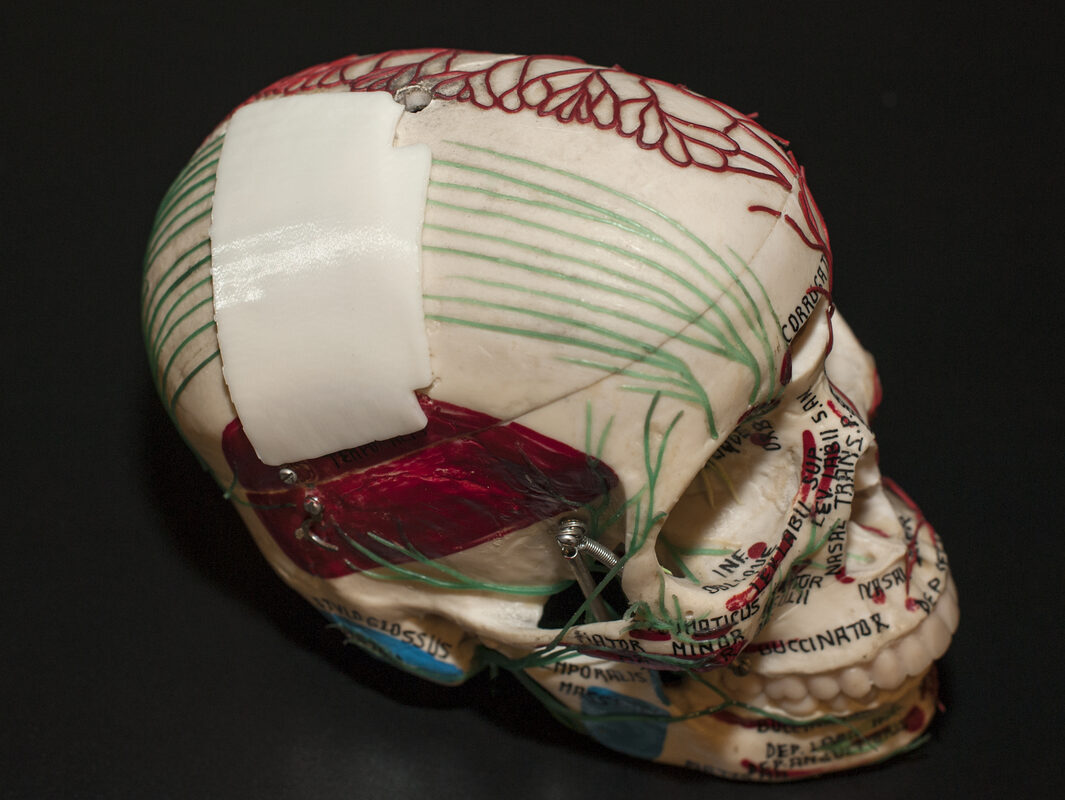
European Neurosurgeons Bring 3D Printing In-House
A five-year longitudinal survey of European neurosurgery departments shows outsourced 3D printing collapsing to zero while hospitals start fabricating functional implants, not just anatomical models, in-house.
-
Software
Additive Willmann Adopts amsight Software to Digitize Metal-AM Quality Traceability
German metal-AM service provider Additive Willmann is deploying amsight's quality-management software to link powder, process, and inspection data at the part level as it scales from project work to serial production.
-
Business
AML3D Posts Record FY2026 Revenue and Its First Profitable Half as ARCEMY Orders Pile Up
Australian wire-arc metal printer maker AML3D closed FY2026 with A$12.5M in revenue (+70%), its first profitable half, and a A$78M pipeline as ARCEMY systems keep landing in the US Navy's supply chain.
-
Printers
Bambu Lab Patent Filings Point to an Automatic Printhead-Swapping System With Built-In Nozzle Monitoring
Newly surfaced Bambu Lab patents describe a rack-based system for swapping printheads mid-print, paired with nozzle-integrated lighting for camera monitoring and magnetic alignment hardware to keep swapped heads precisely positioned.
-
Materials
Continuous Composites Wins Navy Phase II Contract to 3D Print UAV Structures With Embedded Wiring
The Navy is funding a 30-month push to print copper wiring and fiber optics directly inside load-bearing composite UAV parts, aiming to kill the wire harness entirely.
-
Industry
IperionX Lands Second Army Task Order to Scale Domestic Titanium Fastener Production
IperionX won a second US Army task order — up to $25.4M — to expand its Virginia powder-to-part titanium line, aiming to produce fasteners and track pins domestically instead of importing them.
-
Business
6K Additive's H1 2026: Revenue Up 73% as Metal Powder Nears Break-Even
6K Additive posted $13.3M in H1 2026 revenue (+73% YoY) and narrowed its metal powder gross loss to just $68,618, backed by a $23.4M DPA grant, a $27.4M EXIM loan, and a 5x capacity expansion.
-
Printers
ATLIX Retires the TruPrint Name, Rebrands Metal Printer Lineup as xBUILD
ATLIX, the company formerly known as TRUMPF Additive Manufacturing, has renamed its entire metal 3D printer lineup from TruPrint to xBUILD, with specs unchanged but a new corporate identity now shipping on every machine.
-
Software
PrusaSlicer 3.0 Preview: The Biggest Overhaul in the Slicer's History
Prusa Research dropped a ground-up alpha rewrite of PrusaSlicer on Sept 1 — new UI, unlimited multi-printer beds, YAML profiles, and a sandboxed Lua plugin system — but it's Prusa-only and not production-ready yet.


Page 9 of 46
